

TORONTO, July 29, 2026 – The 2026 World Cup has ended, but some foreign visitors who came to Canada in connection with the tournament have applied for refugee protection after entering the country. The latest data from Immigration, Refugees and Citizenship Canada shows that, as of July 20, 175 people had filed asylum claims in Canada among 26,111 people who were previously approved and had indicated “FIFA World Cup 26” in their temporary resident applications.
In other words, asylum claimants accounted for less than one per cent of this group of approved applicants. IRCC also emphasized that the figure only includes people who voluntarily indicated a World Cup-related purpose when applying for temporary resident status. It does not represent all foreign travellers who entered Canada during the World Cup, and it cannot be used to determine the actual purpose of entry for all applicants.
The available data shows that claimants came from multiple countries. Ghana had one of the higher numbers, with about 25 claimants. Egypt, Colombia and Kenya each had about 15. Citizens of China, Bangladesh, Nigeria, Senegal, Burundi, Nepal, Pakistan and other countries also filed claims. IRCC has not publicly stated how many of these claimants were ordinary fans, players, team staff, media personnel or others connected to the tournament.
It is important to note that applying for asylum after coming to Canada for the World Cup does not automatically give a person legal status to remain permanently in Canada.
A visitor visa and refugee protection are two different processes. Even if a foreign national first entered Canada legally as a visitor, they may later make a refugee protection claim if they believe returning to their country of origin would expose them to persecution or other risks that meet the standards under Canadian refugee law. However, whether the claim is accepted still depends on eligibility screening and a case-by-case decision by the relevant immigration and refugee authorities based on the evidence.
As a result, “filing a claim” and “being granted refugee status” are not the same thing. Claimants must prove that they meet the protection requirements under Canadian law. Simply wanting to remain in Canada, find work or improve one’s economic situation is not enough to qualify for refugee protection.
Before the World Cup, the Canadian government had said it would assess people coming to participate in or watch the tournament under normal temporary resident rules, including reviewing the purpose of travel, financial situation and whether applicants were likely to leave Canada at the end of their authorized stay. A World Cup ticket itself did not guarantee a Canadian visa or entry into Canada.
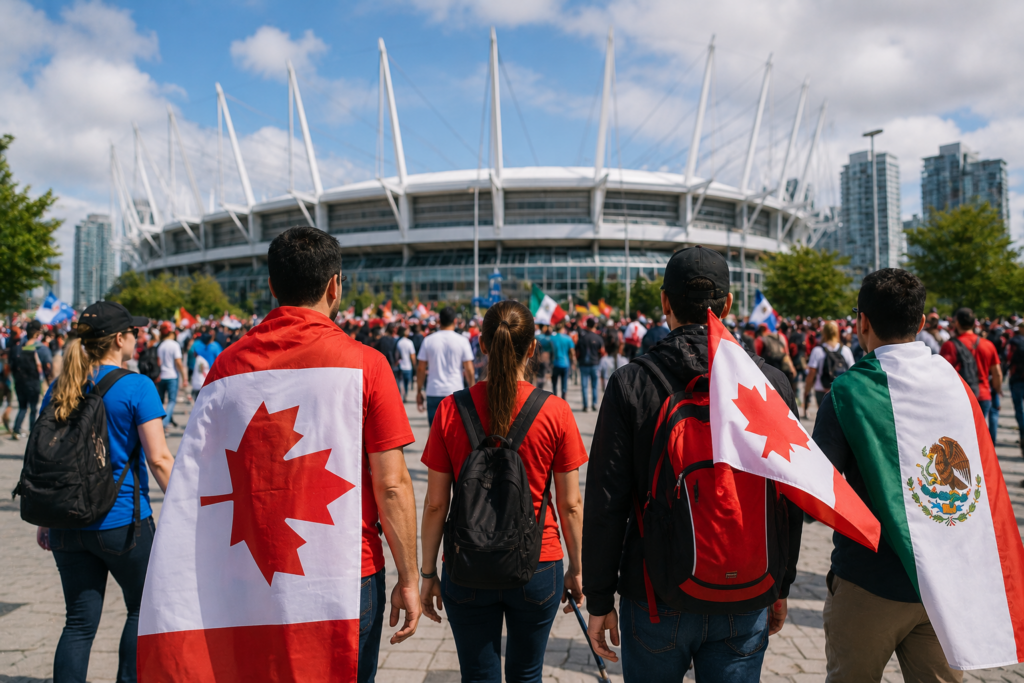
The data has drawn attention in part because the World Cup brought a large number of short-term international visitors to Canada. Toronto and Vancouver hosted 13 matches in total. During the tournament, foreign fans, staff and other visitors entered Canada in concentrated numbers, making post-event departures and immigration compliance part of the broader immigration management discussion.
However, based on the current ratio between 26,111 approved World Cup-related temporary resident applicants and 175 asylum claims, those who applied for asylum remain a small minority. Since the IRCC data is current to July 20, the number may still change as new claims are recorded.
For ordinary residents, the more important issue raised by these figures is not simply whether “World Cup visitors can stay,” but how Canada manages large international events while facilitating entry for legitimate visitors and maintaining separate systems for temporary residents and refugee protection. How many World Cup-related claimants will ultimately receive refugee protection will depend on the future outcome of each case.(LJI by Yuanyuan)