
TORONTO, June 2, 2026 – As Toronto’s World Cup matches approach, Toronto police announced on June 1 the results of a counterfeit sports merchandise investigation, saying two people have been arrested and more than $3.5 million in counterfeit sports goods have been seized. Police said this is the largest known seizure of counterfeit soccer jerseys in Canada, involving more than 16,000 counterfeit jerseys, flags and other sports merchandise carrying unauthorized FIFA, Nike, Adidas and Puma brand marks. For families preparing to buy World Cup merchandise, Chinese small businesses, online sellers and temporary event vendors, checking product sources and keeping transaction records is more important than simply comparing prices as tournament-related spending increases.
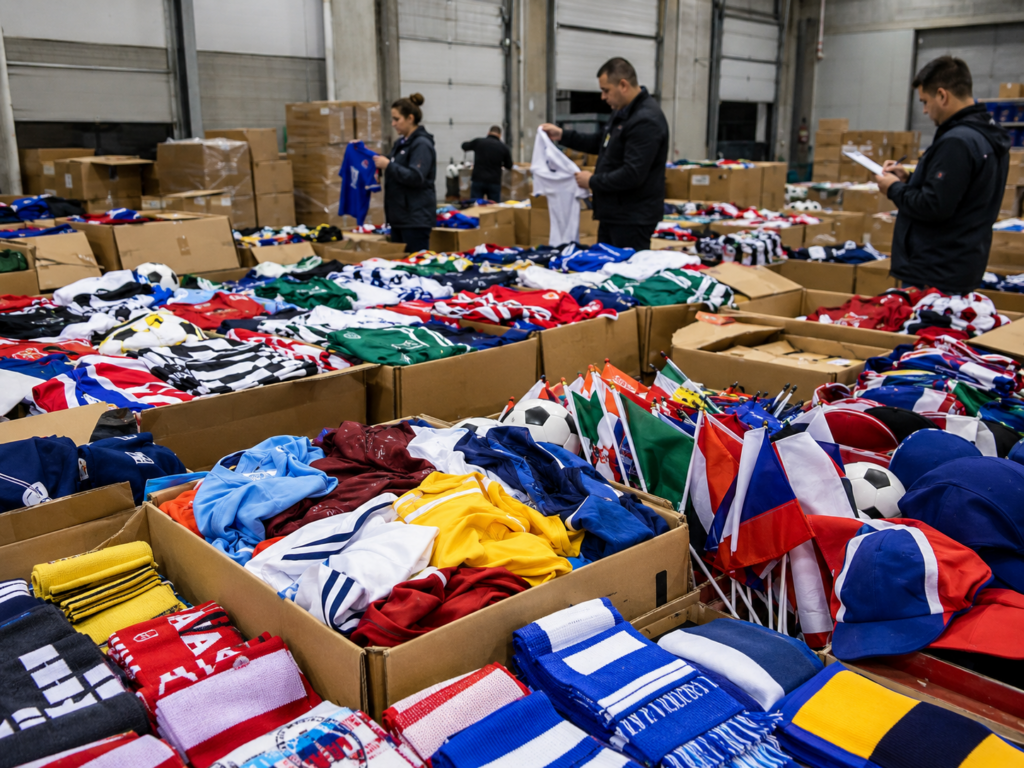
Police information shows the investigation began in May. After the Toronto Police FIFA Planning Team investigative unit received a brand protection-related complaint, officers launched an investigation and executed a search warrant on May 26. A large quantity of counterfeit sports merchandise was seized from a warehouse in Mississauga, as well as from vehicles and trailers at the scene. Police said the seized goods included jerseys, hats, flags and other sports-related items, some of which were allegedly being supplied to retail stores or distributed as wholesale merchandise. Two men have been charged with offences including fraud, possession of property obtained by crime, passing off goods or services with intent to deceive, and large-scale sale, offering for sale or distribution of trademarked goods.
For ordinary consumers, this type of case is not only about “buying fake products.” During the World Cup, low-priced jerseys, flags, hats and souvenirs may be sold through social media, second-hand platforms, temporary stalls, group chats or small retail channels. If consumers only look at the price and do not check the seller, labels, packaging and receipts, they may have difficulty getting a refund or proving where the product came from if a problem is later discovered. International students, newcomers and families taking children to watch matches should keep chat records, payment proof, product photos and seller information when buying on site or online.
Small businesses and event vendors face more complicated risks. Some businesses may purchase stock from wholesale channels, assuming that if the price is low, the style looks right and customers are willing to buy, the products can be sold during the tournament. But if goods involve unauthorized trademarks, counterfeit brands or unclear sources, businesses may face more than return disputes. They may also face trademark and criminal risks. Night market vendors, pop-up stalls, online shops and social media sellers should ask suppliers for invoices, authorization documents or clear supply records before purchasing inventory, instead of relying only on verbal promises or low wholesale prices.
Police reminded the public to buy merchandise from trusted sellers whenever possible, check seller information online, and look for official labels and packaging. If the price seems unreasonably low, consumers should be cautious. A practical step for buyers is to confirm before purchase whether the seller has fixed contact information, a return policy and a formal receipt. For online transactions, buyers should avoid completing purchases only through private messages and e-transfers, so they are not left unable to contact the seller if something goes wrong.
It is important to note that the police seizure of counterfeit goods does not mean all low-cost jerseys or products sold by small stores are problematic, nor should all small businesses be treated as risk sources. The real concern is that the short-term consumer demand created by the World Cup may make it easier for goods of unclear origin to enter the market. Both consumers and businesses should keep transaction evidence: consumers should keep receipts, payment records and product photos; businesses should keep supply contracts, invoices, purchase channels and supplier contact information.
Toronto will host multiple matches during the World Cup, and demand for related merchandise is expected to continue rising. Families preparing to buy jerseys, flags or souvenirs should prioritize official or trusted sales channels. Small businesses planning to sell tournament-related products should confirm authorization and sources before purchasing stock, so a short-term sales opportunity does not turn into a later dispute. Police said anyone with information can contact the non-emergency line or provide anonymous tips through Crime Stoppers.(LJI by Yuanyuan)