

TORONTO, June 10, 2026 – In a significant milestone for cross-cultural academic collaboration, Dr. Elham Mirzania, a prominent Iranian-Canadian Sinologist and Chinese Language Lecturer at Toronto Metropolitan University, concluded a one-month academic residency at Beijing Foreign Studies University (BFSU) this May. The visit has opened dynamic new avenues for literary and cultural dialogue connecting Canada, China, and the broader global community.
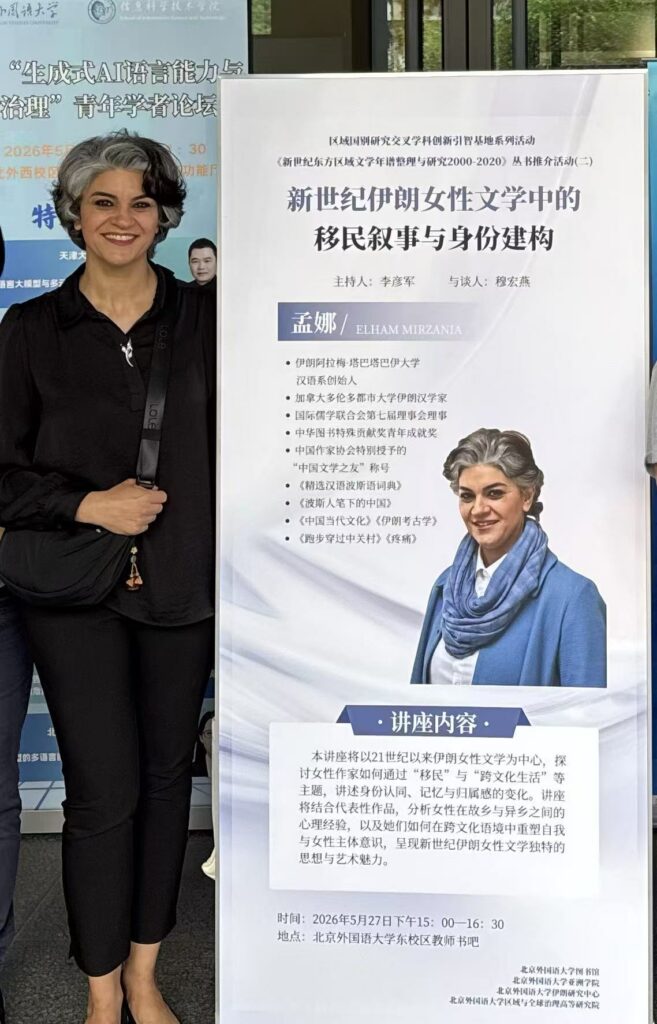
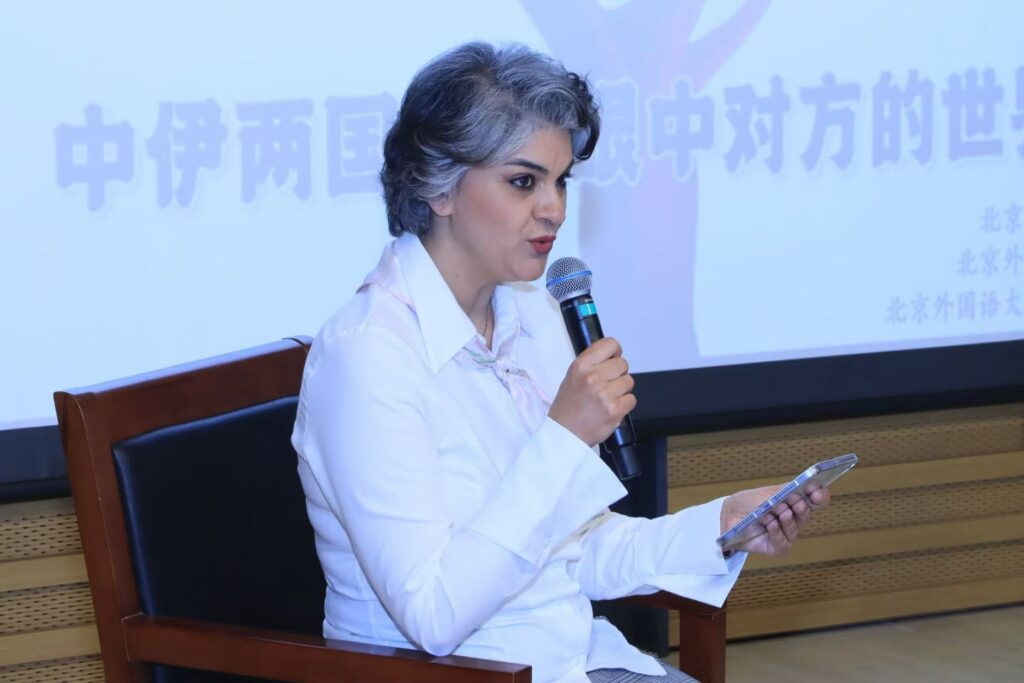
During her visit at BFSU, Dr. Mirzania anchored a series of seminars on contemporary literature, uniting authors, translators, and scholars from diverse cultural backgrounds in rigorous, constructive dialogue.
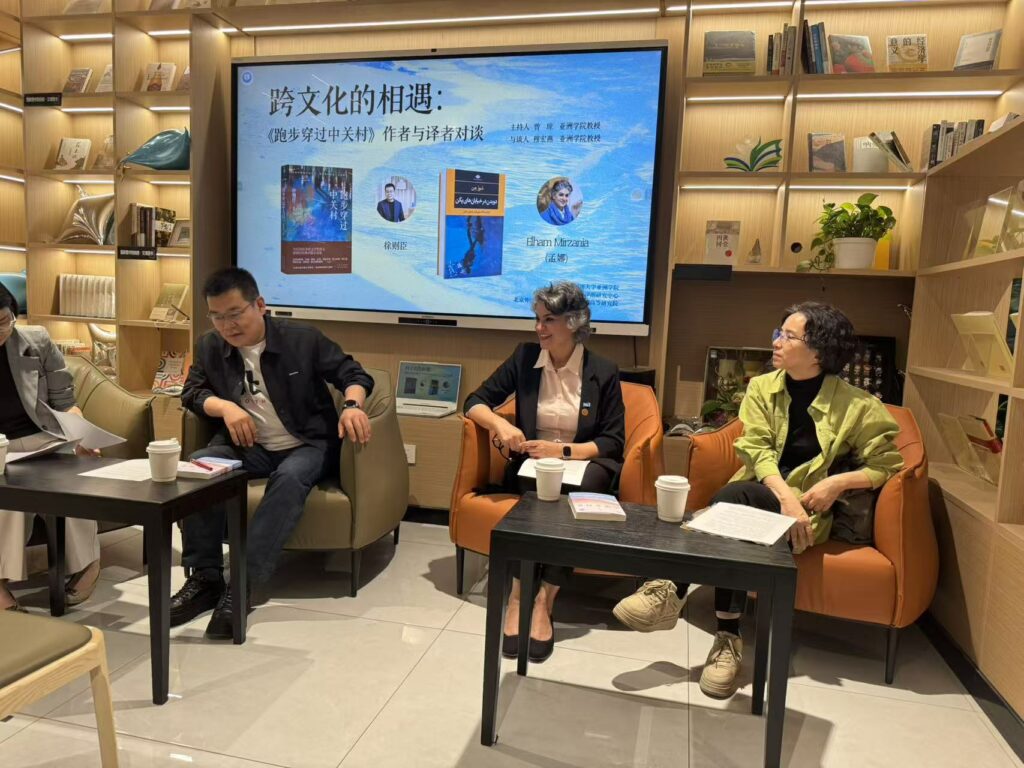
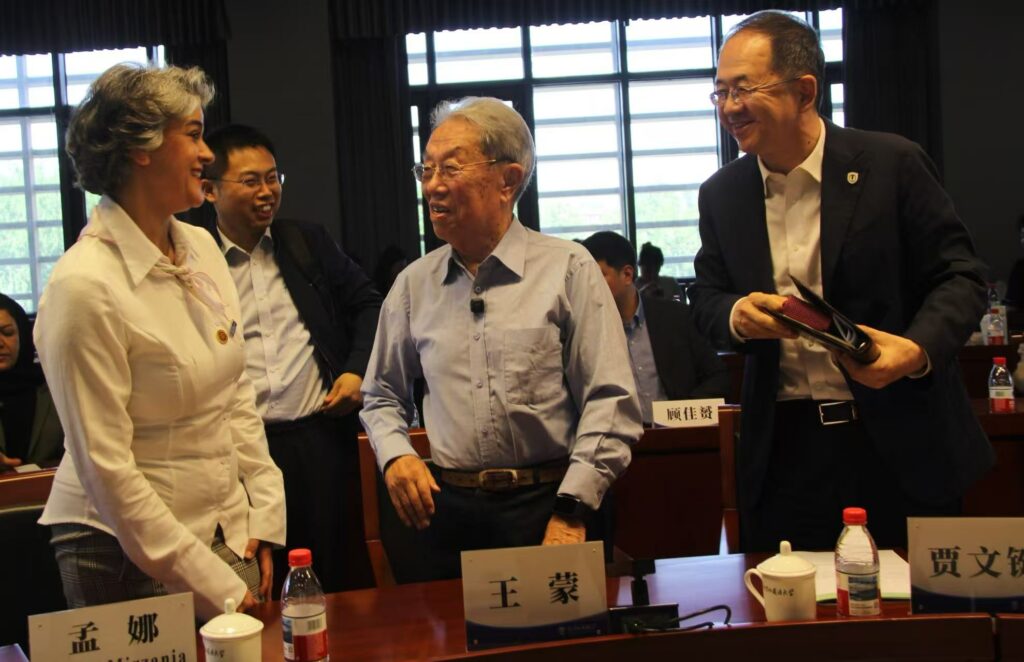
A major highlight of the residency was a dialogue on the landmark novel Sceneries on This Side, held in the presence of its author, Wang Meng, the celebrated writer and former Chinese Minister of Culture. Dr. Mirzania also led a talk around Running Through Zhongguancun alongside its renowned author, Xu Zechen. As the translator of these seminal works, Dr. Mirzania engaged in deep textual analysis with the authors, exploring universal themes such as rural-to-urban migration, identity crises, and the rapid social transformations reshaping global megacities—shared concerns that deeply resonate with today’s younger generation.
Expanding the cross-cultural scope of the visit, Dr. Mirzania delivered a lecture titled “Migration Narrative and Identity Construction in Iranian Women’s Literature.” The session traced the evolution of modern Iranian women’s fiction, mapping out how female authors construct self-awareness and independent agency amidst displacement. The lecture sparked intense interest among Chinese faculty and students, sparking vibrant intellectual exchanges on the intersections of gender, diaspora, and narrative.
Beyond the lecture hall, Dr. Mirzania deeply embedded herself in BFSU’s academic development. She provided specialized consultations to faculty and graduate students, directly contributing to curriculum design and lesson planning for advanced courses, including Studies on Persian-Speaking Countries and A History of Sino-Persian Cultural Exchanges. Her insights helped refine course structures, instructional directions, evaluation metrics, and resource materials, significantly bolstering the university’s regional and cultural studies framework.
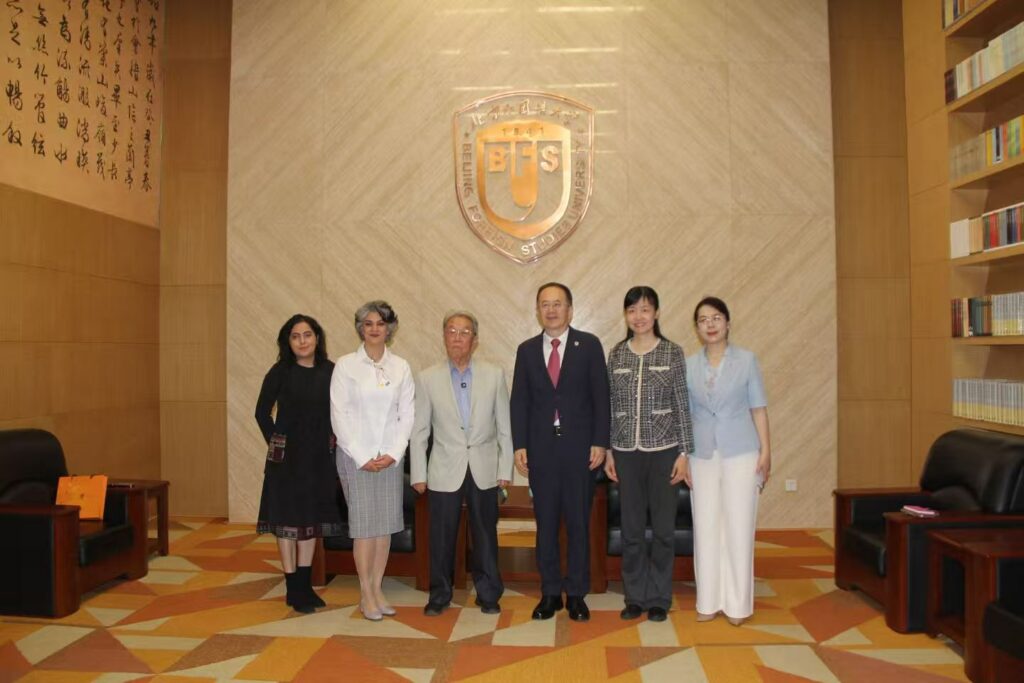
Dr. Mirzania’s residency underscores the vital role that academic and cultural diplomacy plays in bridging societies. By fostering deep civilizational dialogue, such initiatives do more than just enrich the cultural capital of participating academic institutions; they cultivate the next generation of global translators and researchers. In an increasingly polarized global climate, this sustained multicultural dialogue serves as a vital blueprint for international empathy and mutual understanding.